

Understanding House Shifting Costs: A Comprehensive Guide
Moving to a new home is a significant life event, filled with excitement and anticipation. However, the process can also be stressful, especially when it comes to budgeting for the associated costs. Understanding the various factors that influence house shifting costs is crucial for planning a smooth and financially sound relocation. This comprehensive guide will break down these factors, provide insights into typical cost ranges, and offer practical tips on how to save money during your move.
Key Factors Affecting House Shifting Costs
Several elements contribute to the overall cost of house shifting. These factors can vary significantly depending on the specifics of your move. Let’s examine each of these aspects in detail:
1. Distance of the Move
The distance between your current home and your new home is a primary driver of moving costs. Local moves, typically within the same city or metropolitan area, are generally charged by the hour, plus materials. Long-distance moves, on the other hand, are usually priced based on the weight or volume of your belongings and the distance traveled.
Long-distance moves also involve additional expenses such as fuel costs, tolls, and potentially overnight stays for the moving crew. The farther you move, the higher these costs will be.
2. Volume and Weight of Belongings
Movers typically assess the volume and weight of your possessions to determine the resources required for the move. A larger volume or heavier weight necessitates a larger truck, more packing materials, and potentially more movers, all of which contribute to higher costs.
Before obtaining quotes, consider decluttering and downsizing. Getting rid of items you no longer need or use can significantly reduce the overall weight and volume, leading to substantial savings. Selling or donating unwanted items can also provide some extra cash to offset moving expenses.
3. Packing and Unpacking Services
Many moving companies offer packing and unpacking services as part of their moving packages. While these services can save you a significant amount of time and effort, they also add to the overall cost. If you opt for professional packing, the movers will supply all the necessary materials, such as boxes, tape, bubble wrap, and packing paper.
The cost of packing services depends on the size of your home and the extent of packing required. If you’re on a tight budget, consider packing some or all of your belongings yourself. This can be a labor-intensive task, but it can save you a considerable amount of money. Consider asking friends or family to help with packing and unpacking to expedite the process.
4. Moving Insurance
Moving insurance, also known as transit insurance, is essential to protect your belongings during the move. While moving companies are required to provide a basic level of liability coverage, this coverage may not be sufficient to cover the full value of your items in case of damage or loss.
There are different types of moving insurance available, including full-value protection and declared-value protection. Full-value protection provides comprehensive coverage, meaning the moving company is responsible for repairing or replacing any items that are damaged or lost during the move. Declared-value protection, on the other hand, provides a limited level of coverage based on the weight of the item.
The cost of moving insurance depends on the level of coverage you choose and the value of your belongings. It’s crucial to carefully assess your insurance needs and select a policy that provides adequate protection.
5. Special Items and Handling
Certain items, such as pianos, antiques, artwork, and fragile items, require special handling and may incur additional charges. These items often require specialized packing materials, equipment, and expertise to ensure their safe transport.
Inform the moving company about any special items you have and inquire about their experience in handling such items. Obtain a detailed quote that includes the cost of special handling to avoid any surprises later on. You might consider transporting extremely valuable or irreplaceable items yourself for added peace of mind.
6. Accessibility and Location
The accessibility of your current and new homes can also impact moving costs. If your home is located on a high floor without an elevator, or if there are narrow staircases or long walkways, the movers may charge extra for the additional effort and time required to transport your belongings.
Similarly, if parking is limited near your home, the movers may have to park farther away and carry your belongings a longer distance, which can also increase the cost. Be sure to inform the moving company about any accessibility challenges at your current and new homes.
7. Time of Year and Season
The time of year and season can also influence moving costs. Moving companies are typically busiest during the summer months, as well as on weekends and holidays. Demand is higher during these times, which can lead to increased prices.
If possible, try to schedule your move during the off-season, such as during the fall or winter months, or on a weekday. You may be able to negotiate a lower price during these times. Booking your move well in advance can also help you secure a better rate.
8. Additional Services
Moving companies often offer a range of additional services, such as furniture disassembly and reassembly, appliance disconnecting and reconnecting, and cleaning services. While these services can be convenient, they also add to the overall cost.
Consider whether you need these additional services and whether you can handle some of them yourself. For example, you may be able to disassemble and reassemble your furniture yourself, or hire a separate cleaning service at a lower cost.
9. Storage Needs
If you need storage solutions, either before, during, or after your move, this will add to your overall expenses. Storage costs vary depending on the size of the storage unit, the location, and the duration of storage.
Research different storage options and compare prices before making a decision. Consider whether you need climate-controlled storage for sensitive items. Also, factor in the cost of transporting your belongings to and from the storage facility.
Estimating Your House Shifting Costs
Accurately estimating your house shifting costs is crucial for budgeting and avoiding financial surprises. Here’s a breakdown of how to approach this process:
1. Inventory Your Belongings
The first step in estimating your moving costs is to create a detailed inventory of all your belongings. This inventory should include a list of all furniture, appliances, boxes, and other items you plan to move. Be as specific as possible, noting the size and weight of each item.
This inventory will help you determine the volume and weight of your belongings, which are key factors in calculating moving costs. It will also be useful when obtaining quotes from moving companies.
2. Obtain Multiple Quotes
It’s essential to obtain quotes from multiple moving companies before making a decision. Contact at least three to four different companies and request in-home estimates. This will allow the movers to assess your belongings and provide you with a more accurate quote.
Be sure to provide the movers with your detailed inventory and inform them about any special items or accessibility challenges. Ask for a written quote that includes all charges, such as packing materials, labor, transportation, and insurance.
3. Compare Quotes Carefully
Once you’ve received multiple quotes, compare them carefully. Don’t just focus on the bottom-line price. Look at the details of each quote and compare the services offered, the level of insurance coverage, and any additional fees.
Be wary of quotes that seem too good to be true. These may be low-ball estimates that don’t include all the necessary charges. Choose a reputable moving company with a proven track record and positive customer reviews.
4. Factor in Hidden Costs
In addition to the costs quoted by the moving company, there may be other hidden costs associated with moving. These can include:
- Cleaning supplies for cleaning your old and new homes
- Packing supplies if you’re packing yourself
- Temporary accommodation if there’s a gap between moving out and moving in
- Food and drinks for yourself and your helpers on moving day
- Pet care if you have pets
- Childcare if you have children
- Tips for the movers
Be sure to factor in these hidden costs when budgeting for your move.
Tips for Saving Money on House Shifting
Moving can be expensive, but there are several ways to save money on your house shifting costs. Here are some practical tips:
1. Declutter and Downsize
One of the most effective ways to save money on moving costs is to declutter and downsize your belongings. The less you have to move, the lower your costs will be. Go through your home and get rid of items you no longer need or use.
Sell or donate unwanted items to reduce the volume and weight of your belongings. This will not only save you money on moving costs but also make your new home feel less cluttered.
2. Pack Yourself
Packing your belongings yourself can save you a significant amount of money. While it can be time-consuming, it’s a relatively straightforward task that you can handle yourself. Gather packing supplies, such as boxes, tape, bubble wrap, and packing paper, and start packing well in advance of your moving date.
If you don’t have enough boxes, ask friends or family if they have any spare boxes. You can also find free boxes at local grocery stores or retail stores.
3. Choose the Right Time to Move
As mentioned earlier, moving companies are typically busiest during the summer months, as well as on weekends and holidays. Try to schedule your move during the off-season or on a weekday to save money. Booking your move well in advance can also help you secure a better rate.
Consider moving during the middle of the month, as the beginning and end of the month tend to be busier and more expensive.
4. Get Multiple Quotes and Negotiate
Obtaining multiple quotes from different moving companies is essential for finding the best price. Don’t be afraid to negotiate with the movers. Ask them if they can match or beat a competitor’s price. You may be surprised at how much you can save by negotiating.
Be sure to get a written quote that includes all charges, and carefully review the terms and conditions before signing any contract.
5. Consider DIY Moving for Local Moves
For local moves, consider renting a truck and moving your belongings yourself. This can be a much cheaper option than hiring a moving company. However, it requires more effort and physical labor. Enlist the help of friends or family to load and unload the truck.
Be sure to factor in the cost of renting the truck, fuel, and any moving equipment you may need, such as dollies or furniture pads. Also, be aware of the risks involved in moving heavy items yourself.
6. Utilize Free Packing Supplies
Minimizing packing supply expenses can significantly reduce overall moving costs. Start by gathering free resources like used cardboard boxes from local grocery stores, retail outlets, or recycling centers. You can also use old newspapers, magazines, and clothing as padding material instead of purchasing bubble wrap or packing peanuts.
Additionally, repurpose items you already own, such as suitcases, laundry baskets, and storage containers, to pack smaller items and reduce the need for additional boxes. Creative and resourceful use of available materials can lead to substantial savings on packing supplies.
7. Compare Moving Insurance Options
While moving insurance is crucial for protecting your belongings, it’s essential to compare different insurance options to find the most cost-effective solution. Moving companies typically offer various levels of coverage, including basic liability coverage and full-value protection.
Assess your insurance needs carefully and determine the level of coverage that best suits your situation. Consider whether you need full-value protection for all your belongings or if you can opt for a more limited coverage option to save money. Additionally, check if your existing homeowner’s or renter’s insurance policy provides any coverage for your belongings during the move to avoid duplicate coverage.
8. Be Flexible with Your Moving Date
Flexibility with your moving date can unlock significant cost savings. As moving companies experience fluctuations in demand throughout the week and month, adjusting your moving date to off-peak times can result in lower rates. Weekday moves and mid-month moves often come with discounted prices compared to weekend or end-of-month moves.
Contact moving companies and inquire about their pricing for different dates and times. By being flexible with your schedule, you can take advantage of lower rates and potentially save hundreds of dollars on your moving expenses. If you are shifting to Gurugram, knowing the best time to move can be very beneficial.
Conclusion
Understanding the factors that influence house shifting costs is essential for planning a successful and affordable move. By carefully assessing your needs, obtaining multiple quotes, and following the tips outlined in this guide, you can save money and reduce the stress associated with moving. Remember to declutter and downsize, pack strategically, and choose the right time to move. With proper planning and preparation, you can make your house shifting experience a positive one.
Frequently Asked Questions (FAQs)
How much does it typically cost to hire movers?
The cost of hiring movers varies depending on several factors, including the distance of the move, the volume of your belongings, and the services you require. Local moves typically cost between ₹5,000 to ₹25,000, while long-distance moves can range from ₹20,000 to ₹1,00,000 or more.
What is the best time of year to move to save money?
The best time of year to move to save money is during the off-season, which is typically during the fall and winter months (September to April). Moving companies are less busy during these times, so you may be able to negotiate a lower price.
Should I pack myself or hire professional packers?
Whether you should pack yourself or hire professional packers depends on your budget and your time constraints. Packing yourself can save you a significant amount of money, but it can also be time-consuming and labor-intensive. If you’re short on time or have a lot of fragile items, hiring professional packers may be a better option.
What is moving insurance and do I need it?
Moving insurance, also known as transit insurance, protects your belongings during the move. While moving companies are required to provide a basic level of liability coverage, this coverage may not be sufficient to cover the full value of your items in case of damage or loss. It’s recommended to purchase additional moving insurance to protect your belongings.
How can I find a reputable moving company?
To find a reputable moving company, start by asking friends or family for recommendations. You can also check online review sites, such as Google Reviews and Yelp. Be sure to read reviews carefully and look for companies with a proven track record and positive customer feedback. Also, ensure the company is licensed and insured. If you are also thinking of shifting your vehicle, consider getting a quote for Car Transport services.
What questions should I ask a moving company before hiring them?
Before hiring a moving company, it’s important to ask several questions to ensure they are reputable and reliable. Inquire about their licensing and insurance, their experience handling moves similar to yours, and their pricing structure. Ask for a detailed written estimate that includes all charges, and clarify any potential extra fees or hidden costs. Additionally, ask about their process for handling fragile or valuable items, their cancellation policy, and their claims procedure in case of damage or loss.
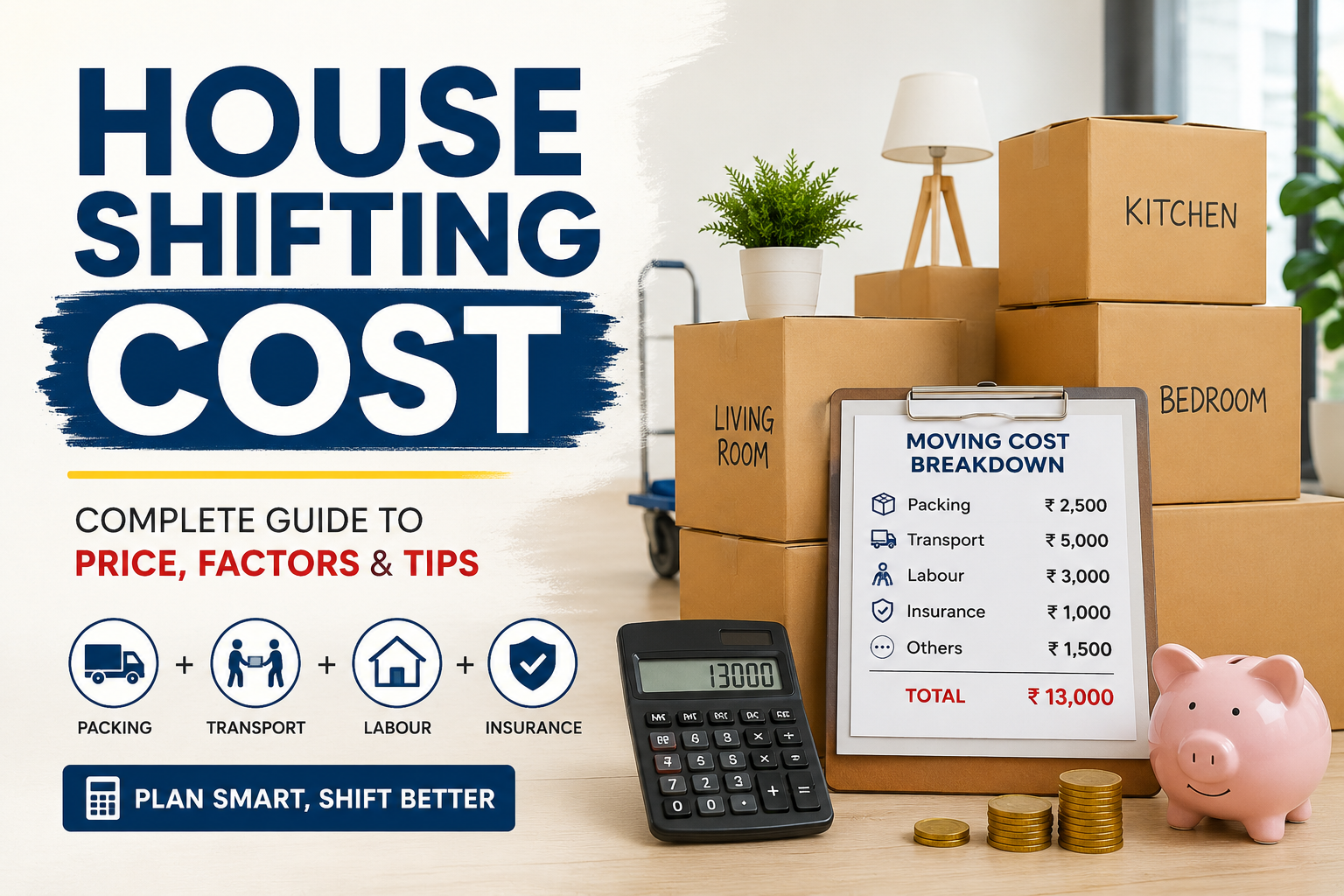
Understanding House Shifting Costs: A Comprehensive Guide
Moving to a new home is a significant life event, filled with excitement and anticipation. However, the process can also be stressful, especially when it comes to budgeting for the associated costs. Understanding the various factors that influence house shifting costs is crucial for planning a smooth and financially sound relocation. This comprehensive guide will break down these factors, provide insights into typical cost ranges, and offer practical tips on how to save money during your move.
Key Factors Affecting House Shifting Costs
Several elements contribute to the overall cost of house shifting. These factors can vary significantly depending on the specifics of your move. Let’s examine each of these aspects in detail:
1. Distance of the Move
The distance between your current home and your new home is a primary driver of moving costs. Local moves, typically within the same city or metropolitan area, are generally charged by the hour, plus materials. Long-distance moves, on the other hand, are usually priced based on the weight or volume of your belongings and the distance traveled.
Long-distance moves also involve additional expenses such as fuel costs, tolls, and potentially overnight stays for the moving crew. The farther you move, the higher these costs will be.
2. Volume and Weight of Belongings
Movers typically assess the volume and weight of your possessions to determine the resources required for the move. A larger volume or heavier weight necessitates a larger truck, more packing materials, and potentially more movers, all of which contribute to higher costs.
Before obtaining quotes, consider decluttering and downsizing. Getting rid of items you no longer need or use can significantly reduce the overall weight and volume, leading to substantial savings. Selling or donating unwanted items can also provide some extra cash to offset moving expenses.
3. Packing and Unpacking Services
Many moving companies offer packing and unpacking services as part of their moving packages. While these services can save you a significant amount of time and effort, they also add to the overall cost. If you opt for professional packing, the movers will supply all the necessary materials, such as boxes, tape, bubble wrap, and packing paper.
The cost of packing services depends on the size of your home and the extent of packing required. If you’re on a tight budget, consider packing some or all of your belongings yourself. This can be a labor-intensive task, but it can save you a considerable amount of money. Consider asking friends or family to help with packing and unpacking to expedite the process.
4. Moving Insurance
Moving insurance, also known as transit insurance, is essential to protect your belongings during the move. While moving companies are required to provide a basic level of liability coverage, this coverage may not be sufficient to cover the full value of your items in case of damage or loss.
There are different types of moving insurance available, including full-value protection and declared-value protection. Full-value protection provides comprehensive coverage, meaning the moving company is responsible for repairing or replacing any items that are damaged or lost during the move. Declared-value protection, on the other hand, provides a limited level of coverage based on the weight of the item.
The cost of moving insurance depends on the level of coverage you choose and the value of your belongings. It’s crucial to carefully assess your insurance needs and select a policy that provides adequate protection.
5. Special Items and Handling
Certain items, such as pianos, antiques, artwork, and fragile items, require special handling and may incur additional charges. These items often require specialized packing materials, equipment, and expertise to ensure their safe transport.
Inform the moving company about any special items you have and inquire about their experience in handling such items. Obtain a detailed quote that includes the cost of special handling to avoid any surprises later on. You might consider transporting extremely valuable or irreplaceable items yourself for added peace of mind.
6. Accessibility and Location
The accessibility of your current and new homes can also impact moving costs. If your home is located on a high floor without an elevator, or if there are narrow staircases or long walkways, the movers may charge extra for the additional effort and time required to transport your belongings.
Similarly, if parking is limited near your home, the movers may have to park farther away and carry your belongings a longer distance, which can also increase the cost. Be sure to inform the moving company about any accessibility challenges at your current and new homes.
7. Time of Year and Season
The time of year and season can also influence moving costs. Moving companies are typically busiest during the summer months, as well as on weekends and holidays. Demand is higher during these times, which can lead to increased prices.
If possible, try to schedule your move during the off-season, such as during the fall or winter months, or on a weekday. You may be able to negotiate a lower price during these times. Booking your move well in advance can also help you secure a better rate.
8. Additional Services
Moving companies often offer a range of additional services, such as furniture disassembly and reassembly, appliance disconnecting and reconnecting, and cleaning services. While these services can be convenient, they also add to the overall cost.
Consider whether you need these additional services and whether you can handle some of them yourself. For example, you may be able to disassemble and reassemble your furniture yourself, or hire a separate cleaning service at a lower cost.
9. Storage Needs
If you need storage solutions, either before, during, or after your move, this will add to your overall expenses. Storage costs vary depending on the size of the storage unit, the location, and the duration of storage.
Research different storage options and compare prices before making a decision. Consider whether you need climate-controlled storage for sensitive items. Also, factor in the cost of transporting your belongings to and from the storage facility.
Estimating Your House Shifting Costs
Accurately estimating your house shifting costs is crucial for budgeting and avoiding financial surprises. Here’s a breakdown of how to approach this process:
1. Inventory Your Belongings
The first step in estimating your moving costs is to create a detailed inventory of all your belongings. This inventory should include a list of all furniture, appliances, boxes, and other items you plan to move. Be as specific as possible, noting the size and weight of each item.
This inventory will help you determine the volume and weight of your belongings, which are key factors in calculating moving costs. It will also be useful when obtaining quotes from moving companies.
2. Obtain Multiple Quotes
It’s essential to obtain quotes from multiple moving companies before making a decision. Contact at least three to four different companies and request in-home estimates. This will allow the movers to assess your belongings and provide you with a more accurate quote.
Be sure to provide the movers with your detailed inventory and inform them about any special items or accessibility challenges. Ask for a written quote that includes all charges, such as packing materials, labor, transportation, and insurance.
3. Compare Quotes Carefully
Once you’ve received multiple quotes, compare them carefully. Don’t just focus on the bottom-line price. Look at the details of each quote and compare the services offered, the level of insurance coverage, and any additional fees.
Be wary of quotes that seem too good to be true. These may be low-ball estimates that don’t include all the necessary charges. Choose a reputable moving company with a proven track record and positive customer reviews.
4. Factor in Hidden Costs
In addition to the costs quoted by the moving company, there may be other hidden costs associated with moving. These can include:
- Cleaning supplies for cleaning your old and new homes
- Packing supplies if you’re packing yourself
- Temporary accommodation if there’s a gap between moving out and moving in
- Food and drinks for yourself and your helpers on moving day
- Pet care if you have pets
- Childcare if you have children
- Tips for the movers
Be sure to factor in these hidden costs when budgeting for your move.
Tips for Saving Money on House Shifting
Moving can be expensive, but there are several ways to save money on your house shifting costs. Here are some practical tips:
1. Declutter and Downsize
One of the most effective ways to save money on moving costs is to declutter and downsize your belongings. The less you have to move, the lower your costs will be. Go through your home and get rid of items you no longer need or use.
Sell or donate unwanted items to reduce the volume and weight of your belongings. This will not only save you money on moving costs but also make your new home feel less cluttered.
2. Pack Yourself
Packing your belongings yourself can save you a significant amount of money. While it can be time-consuming, it’s a relatively straightforward task that you can handle yourself. Gather packing supplies, such as boxes, tape, bubble wrap, and packing paper, and start packing well in advance of your moving date.
If you don’t have enough boxes, ask friends or family if they have any spare boxes. You can also find free boxes at local grocery stores or retail stores.
3. Choose the Right Time to Move
As mentioned earlier, moving companies are typically busiest during the summer months, as well as on weekends and holidays. Try to schedule your move during the off-season or on a weekday to save money. Booking your move well in advance can also help you secure a better rate.
Consider moving during the middle of the month, as the beginning and end of the month tend to be busier and more expensive.
4. Get Multiple Quotes and Negotiate
Obtaining multiple quotes from different moving companies is essential for finding the best price. Don’t be afraid to negotiate with the movers. Ask them if they can match or beat a competitor’s price. You may be surprised at how much you can save by negotiating.
Be sure to get a written quote that includes all charges, and carefully review the terms and conditions before signing any contract.
5. Consider DIY Moving for Local Moves
For local moves, consider renting a truck and moving your belongings yourself. This can be a much cheaper option than hiring a moving company. However, it requires more effort and physical labor. Enlist the help of friends or family to load and unload the truck.
Be sure to factor in the cost of renting the truck, fuel, and any moving equipment you may need, such as dollies or furniture pads. Also, be aware of the risks involved in moving heavy items yourself.
6. Utilize Free Packing Supplies
Minimizing packing supply expenses can significantly reduce overall moving costs. Start by gathering free resources like used cardboard boxes from local grocery stores, retail outlets, or recycling centers. You can also use old newspapers, magazines, and clothing as padding material instead of purchasing bubble wrap or packing peanuts.
Additionally, repurpose items you already own, such as suitcases, laundry baskets, and storage containers, to pack smaller items and reduce the need for additional boxes. Creative and resourceful use of available materials can lead to substantial savings on packing supplies.
7. Compare Moving Insurance Options
While moving insurance is crucial for protecting your belongings, it’s essential to compare different insurance options to find the most cost-effective solution. Moving companies typically offer various levels of coverage, including basic liability coverage and full-value protection.
Assess your insurance needs carefully and determine the level of coverage that best suits your situation. Consider whether you need full-value protection for all your belongings or if you can opt for a more limited coverage option to save money. Additionally, check if your existing homeowner’s or renter’s insurance policy provides any coverage for your belongings during the move to avoid duplicate coverage.
8. Be Flexible with Your Moving Date
Flexibility with your moving date can unlock significant cost savings. As moving companies experience fluctuations in demand throughout the week and month, adjusting your moving date to off-peak times can result in lower rates. Weekday moves and mid-month moves often come with discounted prices compared to weekend or end-of-month moves.
Contact moving companies and inquire about their pricing for different dates and times. By being flexible with your schedule, you can take advantage of lower rates and potentially save hundreds of dollars on your moving expenses. If you are shifting to Gurugram, knowing the best time to move can be very beneficial.
Conclusion
Understanding the factors that influence house shifting costs is essential for planning a successful and affordable move. By carefully assessing your needs, obtaining multiple quotes, and following the tips outlined in this guide, you can save money and reduce the stress associated with moving. Remember to declutter and downsize, pack strategically, and choose the right time to move. With proper planning and preparation, you can make your house shifting experience a positive one.
Frequently Asked Questions (FAQs)
How much does it typically cost to hire movers?
The cost of hiring movers varies depending on several factors, including the distance of the move, the volume of your belongings, and the services you require. Local moves typically cost between ₹5,000 to ₹25,000, while long-distance moves can range from ₹20,000 to ₹1,00,000 or more.
What is the best time of year to move to save money?
The best time of year to move to save money is during the off-season, which is typically during the fall and winter months (September to April). Moving companies are less busy during these times, so you may be able to negotiate a lower price.
Should I pack myself or hire professional packers?
Whether you should pack yourself or hire professional packers depends on your budget and your time constraints. Packing yourself can save you a significant amount of money, but it can also be time-consuming and labor-intensive. If you’re short on time or have a lot of fragile items, hiring professional packers may be a better option.
What is moving insurance and do I need it?
Moving insurance, also known as transit insurance, protects your belongings during the move. While moving companies are required to provide a basic level of liability coverage, this coverage may not be sufficient to cover the full value of your items in case of damage or loss. It’s recommended to purchase additional moving insurance to protect your belongings.
How can I find a reputable moving company?
To find a reputable moving company, start by asking friends or family for recommendations. You can also check online review sites, such as Google Reviews and Yelp. Be sure to read reviews carefully and look for companies with a proven track record and positive customer feedback. Also, ensure the company is licensed and insured. If you are also thinking of shifting your vehicle, consider getting a quote for Car Transport services.
What questions should I ask a moving company before hiring them?
Before hiring a moving company, it’s important to ask several questions to ensure they are reputable and reliable. Inquire about their licensing and insurance, their experience handling moves similar to yours, and their pricing structure. Ask for a detailed written estimate that includes all charges, and clarify any potential extra fees or hidden costs. Additionally, ask about their process for handling fragile or valuable items, their cancellation policy, and their claims procedure in case of damage or loss.
 Chat with us on WhatsApp!


 Your information is secured by

 House
House  Office
  Car
Car  Bike
Bike 


 Thank You!